
Section :
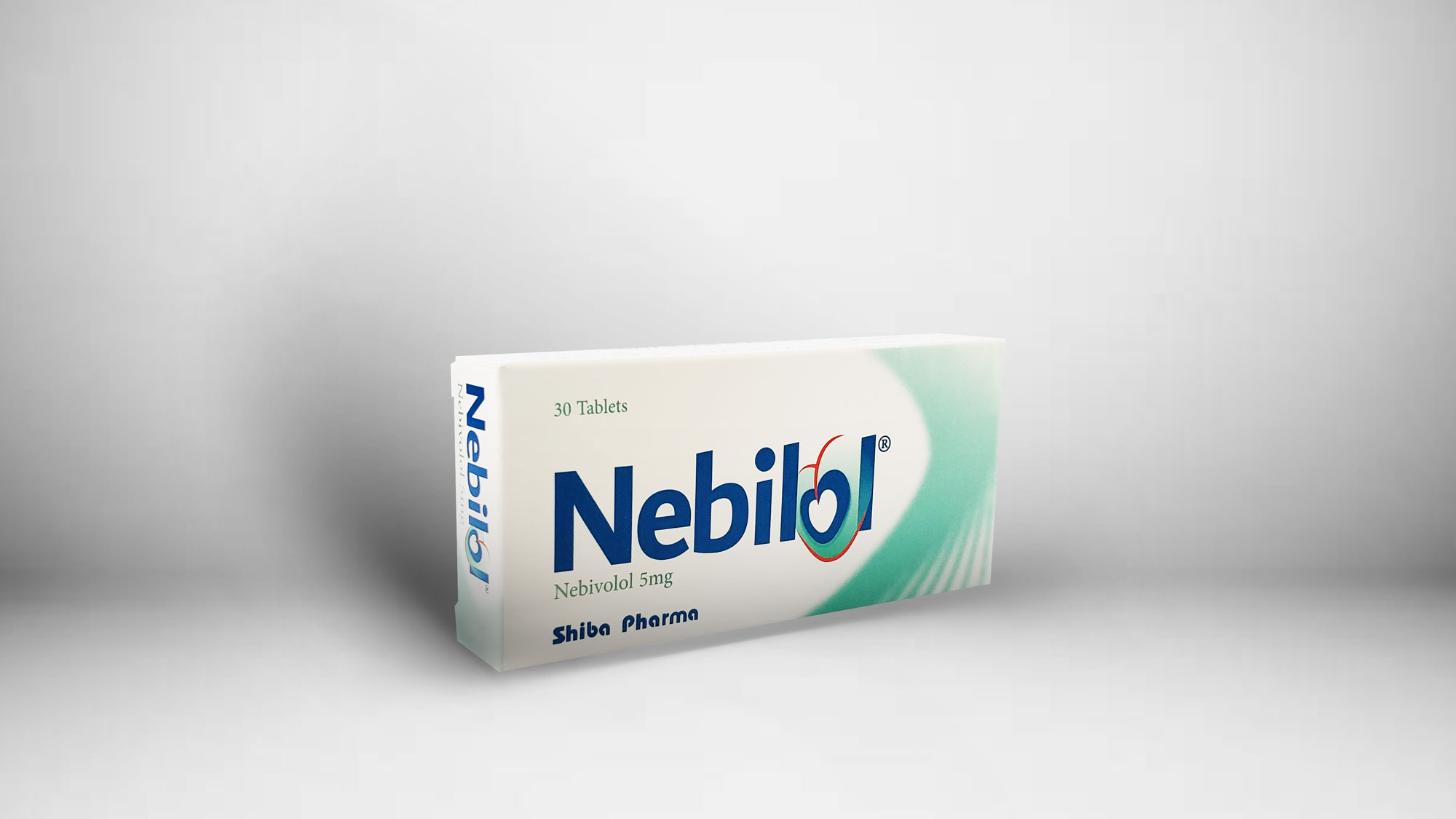
Nebilol
📌 COMPOSITION
Each tablet contains: Nebivolol HCl equivalent to Nebivolol 5 mg.
📌 DESCRIPTION
Nebilol (Nebivolol) is a cardiovascular drug belonging to the beta‑receptor blockers group, and it is the most selective drug for beta 1 receptors in this class, which makes its effect more specific for the heart, so it prevents increased heart rate and controls heart pumping strength. Nebivolol has a unique effect among other drugs by potentiating nitric oxide, which causes dilation of blood vessels. These effects make Nebilol an antihypertensive drug. Nebilol can be used in patients with or at risk of erectile dysfunction because it does not significantly worsen erectile function as other beta blockers do. Nebivolol is rapidly absorbed after oral administration, predominantly bound to albumin. One week after administration, 38% of it is excreted in the urine and 48% in faeces.
📌 INDICATIONS
Treatment of essential hypertension.
📌 DOSAGE AND ADMINISTRATION
The daily dose of Nebilol should be taken at the same time daily with a sufficient amount of water and can be taken with meals.
- Adults: 5 mg (one tablet) daily.
- Patients with impaired kidney function: The recommended initial dose is 2.5 mg (1/2 tablet) daily. If required, the daily dose can be increased to 5 mg (one tablet).
- Elderly patients:
- Patients aged over 65 years: The recommended initial dose is 2.5 mg (1/2 tablet) daily. If necessary, the daily dose can be increased to 5 mg (one tablet).
- Patients aged over 75 years: Caution and careful supervision of the treatment are certainly necessary.
📌 RESTRICTIONS ON USE
Contraindications
- Known hypersensitivity to Nebivolol.
- Liver function disturbances or impairment.
- Heart failure or cardiogenic shock, sick sinus syndrome, including sino‑atrial block, second and third degree heart block.
- Bronchial spasms and bronchial asthma.
- Untreated tumours of the adrenal glands.
- Over‑acidification of the blood.
- Bradycardia (heart rate < 60 beats per minute) before treatment.
- Hypotension or severe blood flow disturbances in the limbs.
Precautions
Nebilol should be used with great caution under the following conditions:
- Unusually slow heart beats (less than 50-55 bpm) and/or signs such as dizziness, weakness and unsteadiness walking.
- Heart diseases (e.g., angina pectoris, ischaemic heart disease, conduction disturbances). In patients with ischaemic heart disease, therapy should be ended gradually, i.e., over the course of 1-2 weeks; an alternative treatment should be begun simultaneously if necessary.
- Blood flow disturbances in the arms or legs.
- Persistent breathing complaints, particularly chronic obstructive respiratory tract diseases.
- Diabetes, hyperthyroidism and psoriasis.
Effect on the capacity to drive vehicles or use machines
Occasionally, Nebivolol may cause dizziness and tiredness. Therefore, patients should be cautioned about their ability to drive vehicles or use machines.
Use in pregnancy and lactation
The doctor should be consulted, and it is advised not to use nebivolol during pregnancy unless the benefits are higher than the risks. It is not recommended to use the medicine during lactation.
📌 DRUG INTERACTIONS
The doctor should be informed if the patient is using one of the following drugs:
- Medicines for controlling blood pressure or medicines for heart problems (such as amiodarone, amlodipine, cibenzoline, clonidine, digoxin, diltiazem, disopyramide, felodipine, flecainide, guanfacine, hydroquinidine, lacidipine, lidocaine, methyldopa, mexiletine, moxonidine, nicardipine, nifedipine, nimodipine, nitrendipine, propafenone, quinidine, rilmenidine, verapamil).
- Sedatives and therapies for psychosis (a mental illness), e.g., barbiturates (also used for epilepsy), phenothiazine (also used for vomiting and nausea) and thioridazine.
- Medicines for depression, e.g., amitriptyline, paroxetine, fluoxetine.
- Medicines used for anaesthesia during an operation.
- Medicines for asthma, blocked nose or certain eye disorders such as glaucoma (increased pressure in the eye) or dilation (widening) of the pupil.
- Baclofen (an antispasmodic drug) or amifostine (a protective medicine used during cancer treatment). All these drugs, as well as nebivolol, may influence blood pressure and/or heart function.
- Medicines for treating excessive stomach acid or ulcers (antacid drugs): the patient should take Nebilol during a meal and the antacid drug between meals.
📌 ADVERSE EFFECTS
Some patients during use of Nebilol may suffer from some adverse effects like headache, dizziness, tingling or itching of the skin, shortness of breath, swollen hands or feet, constipation, nausea, diarrhoea or tiredness, and often these effects are mild to moderate.
📌 OVERDOSAGE
No data exist on overdosage with Nebivolol. The signs of an overdosage with beta‑receptor blockers are: slow pulse, low blood pressure, spasms of the respiratory tract and sudden weakness of the heart muscle. If an overdose with Nebivolol is suspected, notify the doctor immediately. Until the doctor arrives, the patient should try to prevent the absorption of Nebivolol from the digestive tract into the bloodstream by administering activated charcoal and laxatives.
📌 STORAGE INSTRUCTIONS
Store below 30°C in a dry place.
📌 PHARMACEUTICAL FORMS
- Nebilol: Pack of 30 tablets and hospital packs of different sizes.