
Section :
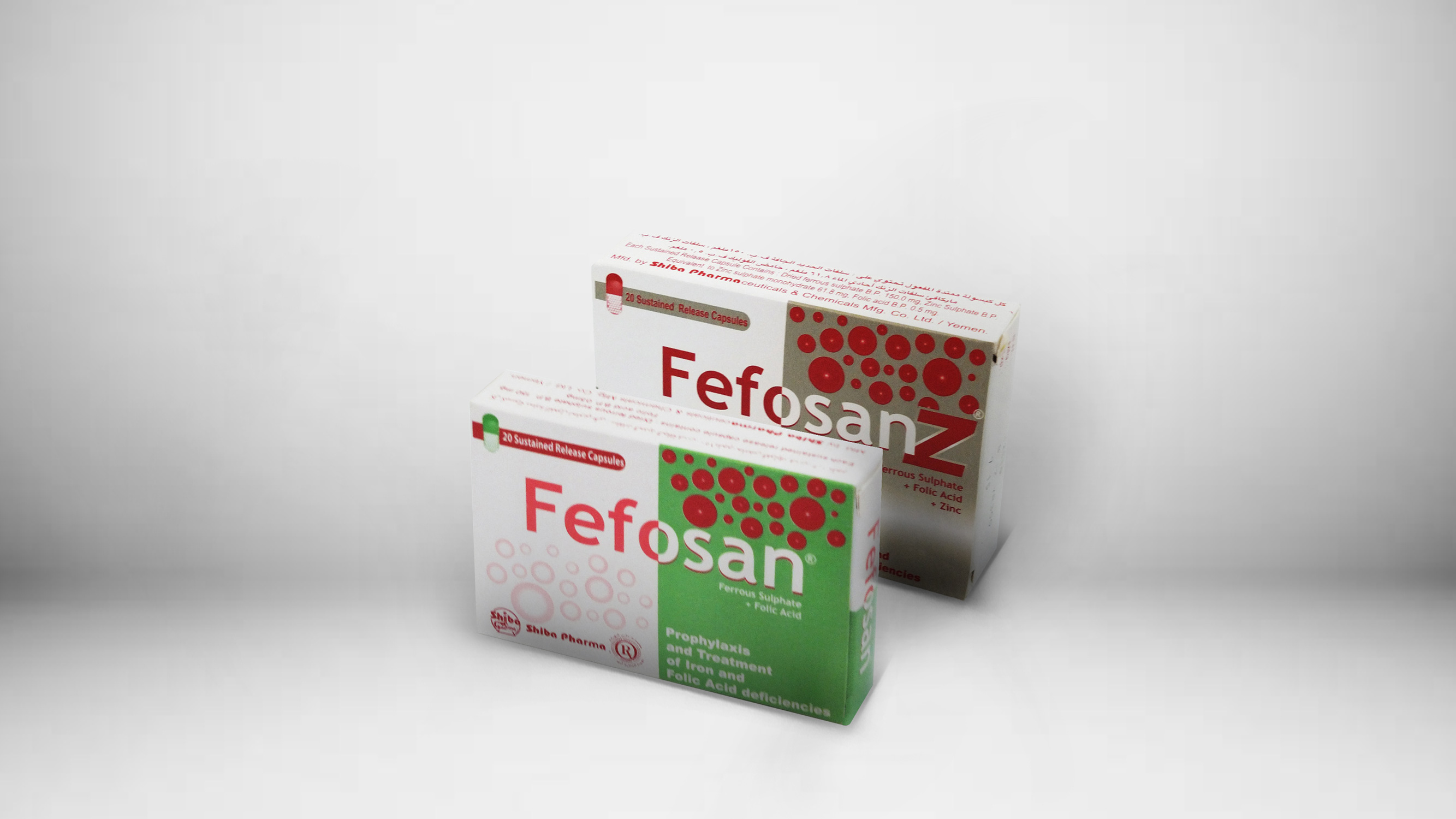
Fefosan Z
📌 COMPOSITION
- Dried Ferrous Sulphate B.P. 150.0 mg
- Zinc Sulphate B.P. equivalent to zinc sulphate monohydrate 61.8 mg
- Folic Acid B.P. 0.5 mg
📌 DESCRIPTION
Fefosan Z contains iron (in ferrous form). Iron is an essential constituent of haemoglobin, which is vital for normal erythropoiesis and oxygen‑transport capacity of the blood. It is also involved in myoglobin synthesis and serves as a cofactor for many heme and non‑heme‑iron‑dependent enzymes. Folic acid is required for nucleoprotein synthesis and the maintenance of normal erythropoiesis. Folic acid stimulates the production of red and white blood cells and platelets in certain megaloblastic anaemias. Fefosan Z also contains zinc, which is essential for many physiological and biological processes, including normal bone growth, immune function, insulin storage, sexual maturation, wound healing, tissue repair and taste accuracy.
📌 INDICATIONS
Fefosan Z is indicated in cases of nutritional iron deficiency and in any other causes in which iron deficiency can occur, such as pregnancy, lactation, children, patients who are taking NSAIDs for a long period, and patients with chronic inflammatory diseases.
📌 DOSAGE AND ADMINISTRATION
The recommended dose is 1-2 capsules daily or as recommended by the physician.
📌 RESTRICTIONS ON USE
Contraindications
Patients with hypersensitivity to any of the ingredients or those with iron overload.
Precautions
- Ferrous sulphate should be taken with care in patients who may develop iron overload, such as those with haemochromatosis, haemolytic anaemia or red cell aplasia.
- Fefosan Z should not be used during the first trimester of pregnancy.
Use in Pregnancy and Lactation
Fefosan Z is used during pregnancy for the prophylaxis of iron, zinc and folic acid deficiencies, but should not be used during the first trimester. There is insufficient information on its use during lactation; it is recommended to consult a physician.
📌 DRUG INTERACTIONS
- Absorption of both iron and tetracyclines is diminished when they are taken concomitantly by mouth.
- Iron absorption may be impaired by concomitant administration of antacids or penicillamine. Such potential interactions can be reduced by separating the administration of each product by several hours.
📌 ADVERSE EFFECTS
Commonly seen adverse effects are nausea, discomfort, diarrhoea or constipation and black stools.
📌 OVERDOSAGE
Iron overdosage is dangerous, particularly in children, and requires immediate attention. Treatment is necessary if more than 30 mg elemental iron per kilogram of body weight has been ingested. Symptoms may include abdominal pain, vomiting, diarrhoea and haematemesis. In more severe cases, coma, convulsions and shock may occur. Acute renal failure and acute hepatic necrosis may develop. Gastric lavage should be carried out in the early stages, or if this is not possible, vomiting should be induced. Give oral desferrioxamine (2 g for children or 5 g for adults) and demulcents. If serum iron levels at 4 hours or more post‑ingestion are over 5 mg/L in children or 8 mg/L in adults, or if the patient is in shock or coma, intramuscular or intravenous desferrioxamine should be used according to the instructions for this product. Symptomatic and supportive measures should be given as required.
📌 STORAGE INSTRUCTIONS
Store below 30°C in a dry place. Protect from light.
📌 PHARMACEUTICAL FORMS
- Fefosan Z Capsules: Pack of 20 capsules and hospital packs of different sizes.