
Section :
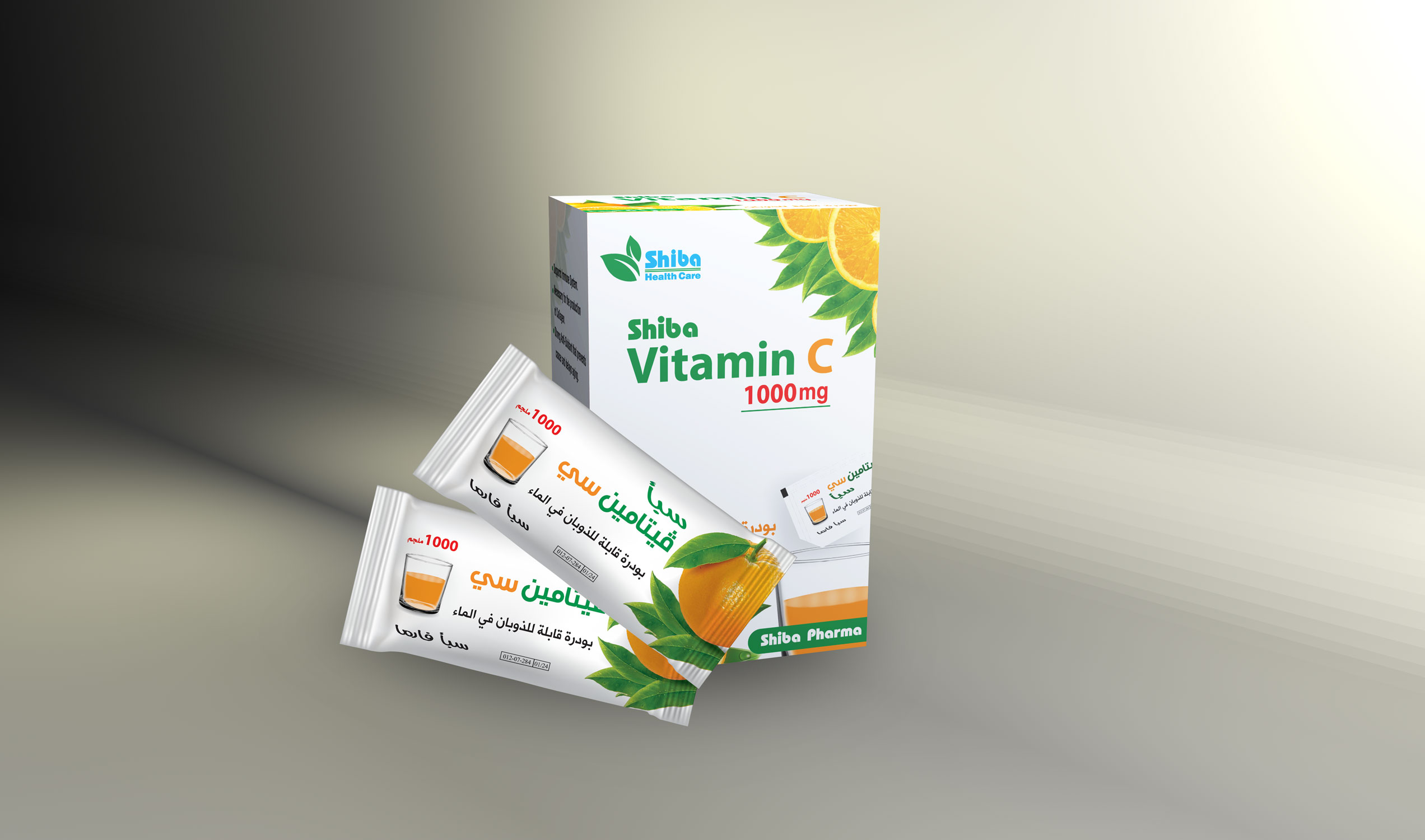
Shiba Vitamin C
📌 COMPOSITION
- Each effervescent powder sachet contains: Vitamin C (Ascorbic acid) 1 g.
- Each soluble powder sachet contains: Vitamin C (Ascorbic acid) 1 g or 500 mg.
- Each dispersible tablet contains: Vitamin C (Ascorbic acid) 500 mg.
📌 DESCRIPTION
Vitamin C (ascorbic acid) is very important to support the body, especially the immune system, to combat infections and pollutants, and also helps to enhance iron absorption. It also works as an antioxidant, so it protects the body from free radicals, and this helps to reduce many problems and diseases that occur in the body that lead to ageing, skin wrinkles and the occurrence of cancers, and helps wounds heal faster. Vitamin C is a water‑soluble vitamin, so it is not stored in the body; therefore, it is important to take it daily and regularly to supply the body with an adequate amount.
📌 INDICATIONS
- To support immunity to combat infections such as respiratory system infections caused by different types of viruses like influenza and others.
- As an adjunct therapy to eliminate infections like bacterial infections, rheumatic fever and chronic diseases.
- To get rid of stress and loss of appetite and support collagen production, thereby supporting skin, joint and bone health.
- To support the body to get rid of free radicals that lead to ageing, wrinkles, cancers and high cholesterol levels, thereby supporting the cardiovascular system.
- For treatment and prevention of vitamin C deficiency that leads to scurvy, gingivitis, gum bleeding and loosened teeth.
- To treat iron‑deficiency anaemia and to enhance iron absorption.
📌 DOSAGE & ADMINISTRATION
- Adults:
- Take one sachet daily and dissolve the contents in half a cup of water.
- Take one dispersible tablet per day, dissolved in half a cup of water.
- Children: 50-200 mg daily depending on age.
📌 RESTRICTIONS ON USE
Contraindications
- Ascorbic acid should not be given to patients with hyperoxaluria.
- Patients suffering from kidney stones (oxalate).
- Patients with high levels of iron in the blood.
Precautions
- Caution should be taken by patients suffering from haemolytic anaemia in certain individuals with a deficiency of glucose‑6‑phosphate dehydrogenase.
- Caution should be taken by patients who suffer from recurring formation of kidney stones, severe kidney disease and renal failure.
Use in Pregnancy and Lactation
Vitamin C is used during pregnancy and lactation.
📌 DRUG INTERACTIONS
- Vitamin C increases the renal excretion of amphetamine.
- Concomitant administration of aspirin and vitamin C may interfere with the absorption of vitamin C.
- Concomitant administration of antacids (aluminium‑containing) with vitamin C is not recommended.
- Co‑administration with amygdalin can cause cyanide toxicity.
📌 ADVERSE EFFECTS
Vitamin C is well tolerated; even at high doses (4-5 g or more) it may cause mild diarrhoea or increased urination frequency.
📌 STORAGE INSTRUCTIONS
Store below 30°C in a dry place, protect from light and moisture.
📌 PHARMACEUTICAL FORMS
- Vitamin C effervescent powder sachet: pack of 10 sachets.
- Vitamin-C Shiba soluble powder sachet: pack of 10 sachets.
- Vitamin-C Shiba dispersible tablet: pack of 100 tablets and hospital packs of different sizes.