
Section :
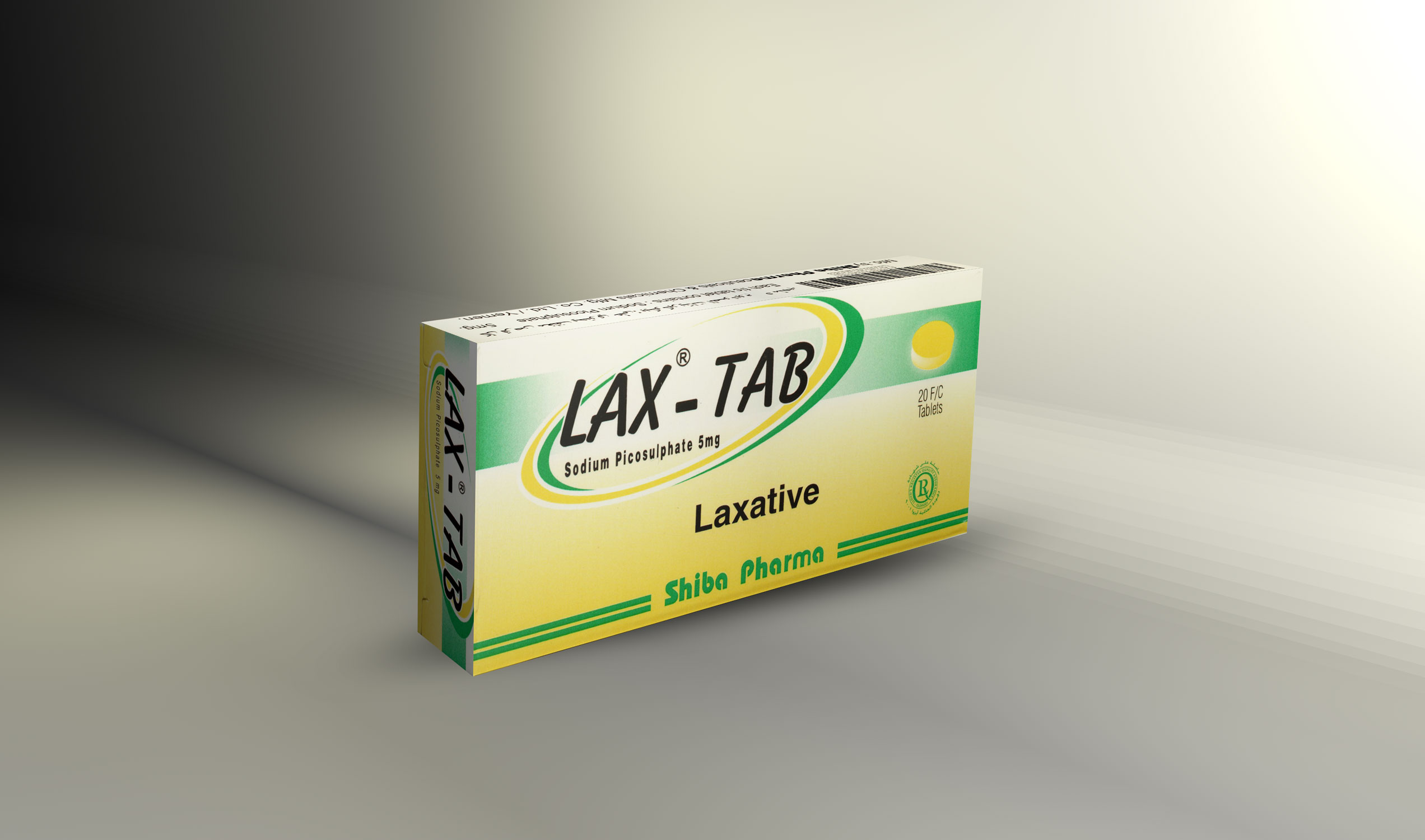
Lax-Tab
📌 COMPOSITION
Each F/C tablet contains: Sodium Picosulfate 5 mg.
📌 DESCRIPTION
LAX TAB (Sodium Picosulfate) is a locally acting laxative used as a short‑term treatment for constipation. It works to stimulate colonic peristalsis and inhibit absorption of water and electrolytes, which in turn promotes accumulation of water and electrolytes in the colonic lumen, resulting in stimulation of defecation easily without strain. It is metabolised by large intestine bacteria into the active compound and, as such, does not cause alteration of digestion or absorption of calories in the small intestine. The onset of action is usually 6-12 hours.
📌 INDICATIONS
- Short‑term relief of chronic or functional constipation.
- Evacuation of the colon before radiological examination, endoscopy, labour or surgery.
📌 DOSAGE & ADMINISTRATION
Adults and children 10 years and above: 1-2 tablets in the evening. Once constipation has disappeared, the dosage should be reduced and can be stopped. The tablet must be administered with an adequate amount of water, and maintenance of adequate fluid intake during treatment is important, especially for younger patients and the elderly who are more susceptible to the effects of dehydration. LAX TAB should not be taken every day for more than 5 days without investigating the cause of constipation.
📌 RESTRICTIONS ON USE
Contraindications
- Hypersensitivity to Sodium Picosulfate.
- Intestinal obstruction or perforation, appendicitis, acute inflammatory bowel diseases, severe abdominal pain associated with nausea and vomiting, gastrointestinal ulceration, undiagnosed rectal bleeding and acute hepatic failure.
- Severe dehydration.
- An illness associated with fluid and electrolyte imbalance (e.g. severely impaired kidney function).
Precautions
- Prolonged excessive use may lead to fluid and electrolyte imbalance and hypokalaemia.
- Caution should be taken in patients with recent gastrointestinal surgery, renal impairment or heart disease.
Effects on the ability to drive vehicles or use machines
LAX TAB may cause dizziness and abdominal cramps, so potentially hazardous tasks such as driving or operating machinery should be avoided if these symptoms occur.
Use in Pregnancy and Lactation
The use of LAX TAB should be avoided as much as possible during pregnancy. It does not pass into breast milk; therefore, it can be used while breastfeeding.
📌 DRUG INTERACTIONS
- Concomitant administration of LAX TAB with diuretics, corticosteroids, NSAIDs, tricyclic antidepressants, carbamazepine, selective serotonin reuptake inhibitors or antipsychotics may increase the risk of electrolyte imbalance, which leads to increased sensitivity to cardiac glycosides or an increased risk of lithium toxicity if excessive doses of LAX TAB are taken.
- The absorption of some orally administered medicines (such as antiepileptics, antidiabetics and contraceptives) may be affected when used during treatment with LAX TAB.
- Co‑administration with antibiotics may reduce the laxative action of LAX TAB.
📌 SIDE EFFECTS
The most common side effects: diarrhoea, abdominal pain and cramps, and abdominal discomfort may occur.
📌 OVERDOSAGE
Symptoms of overdosage: Laxatives when taken in chronic overdosage may cause chronic diarrhoea, abdominal pain and cramps, hypokalaemia, significant loss of fluid, secondary hyperaldosteronism, renal calculi, renal tubular damage and muscle weakness.
Treatment: By inducing vomiting or by gastric lavage. Compensation of lost fluids and correction of electrolyte imbalance may be required, and administration of antispasmodics may help in treating abdominal cramps.
📌 STORAGE INSTRUCTIONS
Store below 30°C in a dry place.
📌 PHARMACEUTICAL FORMS
LAX TAB tablets: pack of different sizes.