
Section :
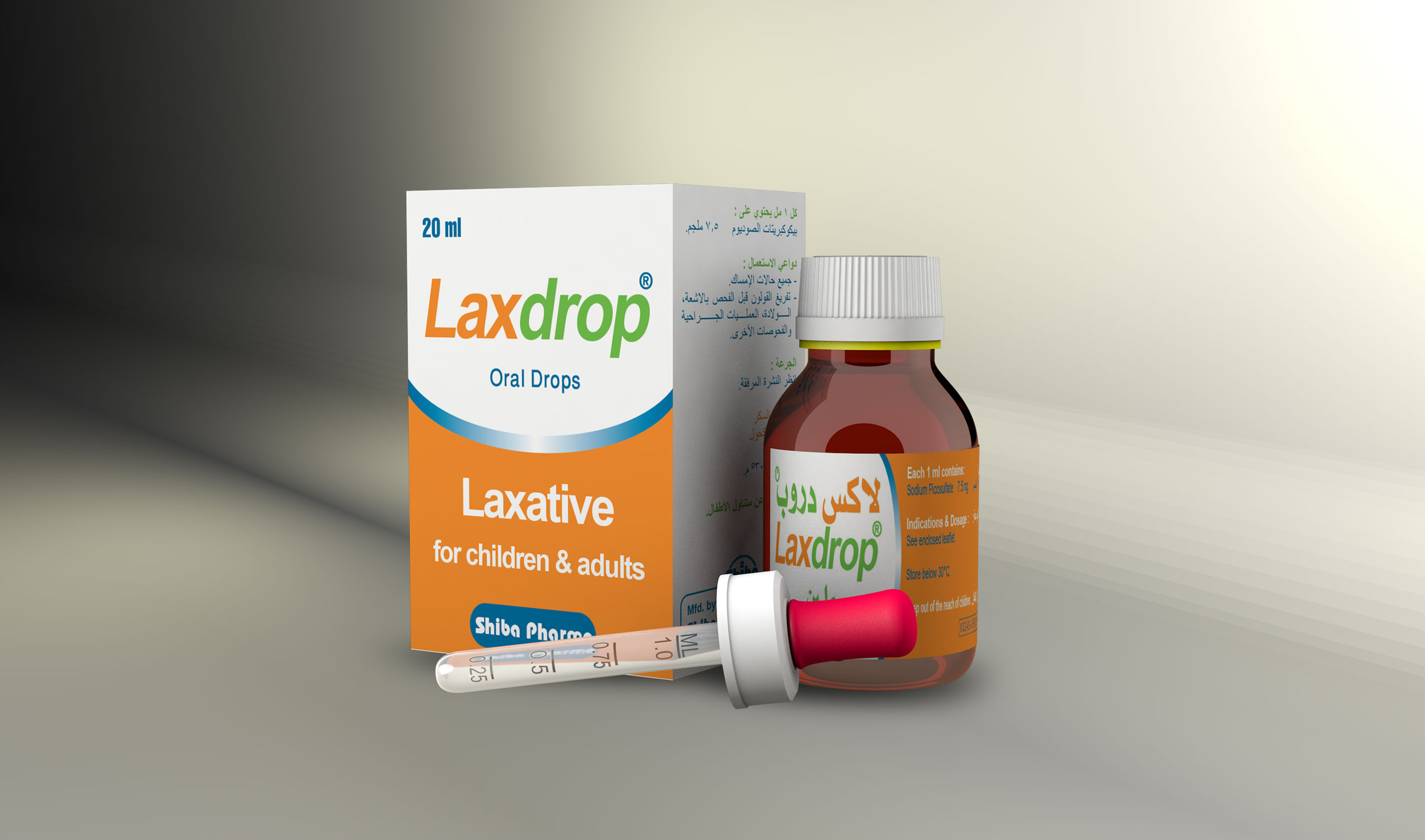
LaxDrop
📌 COMPOSITION
Each 1 ml contains: Sodium Picosulfate 7.5 mg.
📌 DESCRIPTION
Laxdrop (Sodium Picosulfate) is a prodrug metabolised by gut bacteria into the active compound which has a laxative effect by stimulating the peristalsis of the colon and promoting accumulation of water and consequently electrolytes in the colonic lumen, resulting in stimulation of defecation easily without strain. After oral ingestion, Sodium Picosulfate is not absorbed, so it is considered safe to be taken, and the onset of action is usually between 6-12 hours.
📌 INDICATIONS
- All forms of constipation in adults and children.
- Evacuation of the colon before radiological examination, endoscopy, labour or surgery.
📌 DOSAGE & ADMINISTRATION
It is recommended to take the dose at night to produce the laxative effect in the following morning. The dose can be taken with purified water or juice.
- Children below 4 years: one drop/kg or as directed by a physician.
- Children 4-10 years: 0.25 - 0.75 ml (5-15 drops).
- Adults and children over 10 years: 0.75 - 1 ml (15-20 drops); the dose may be increased or decreased according to the case.
📌 RESTRICTIONS ON USE
Contraindications
- Hypersensitivity to Sodium Picosulfate.
- Intestinal obstruction, appendicitis, acute inflammatory bowel diseases and abdominal pain associated with nausea and vomiting.
- Severe dehydration.
Precautions
- Sodium Picosulfate should not be taken on a continuous daily basis for more than five days without investigating the cause of constipation.
- Prolonged excessive use may lead to fluid and electrolyte imbalance and hypokalaemia.
- Laxdrop should not be taken by children under 10 years without medical advice.
Effects on the ability to drive vehicles or use machines
Sodium Picosulfate may cause dizziness and abdominal cramps, so potentially hazardous tasks such as driving or operating machinery should be avoided.
Use in Pregnancy and Lactation
There are no studies that indicate the effect of Sodium Picosulfate administration during pregnancy may affect the pregnant woman or fetus. Nevertheless, as with all medicines, Sodium Picosulfate should not be taken during pregnancy, especially the first trimester, or during breastfeeding, unless the expected benefit is thought to outweigh any possible risk and only under physician supervision.
📌 DRUG INTERACTIONS
- Concomitant administration of diuretics or adrenocorticosteroids may increase the risk of electrolyte imbalance if excessive doses of Sodium Picosulfate are taken.
- Concomitant administration of antibiotics may reduce the laxative action of Sodium Picosulfate.
📌 SIDE EFFECTS
The side effects after administration of Laxdrop are well tolerated. The most common effect includes diarrhoea. Abdominal pain and cramps may occur.
📌 OVERDOSAGE
Symptoms of overdosage: Laxatives when taken in chronic overdosage may cause chronic diarrhoea, abdominal pain and cramps, hypokalaemia, significant loss of fluid, secondary hyperaldosteronism, renal calculi, renal tubular damage and muscle weakness.
Treatment: Absorption of Sodium Picosulfate can be minimised or prevented by inducing vomiting or by gastric lavage. Compensation of lost fluids and correction of electrolyte imbalance may be required. Administration of antispasmodics may help in treating abdominal cramps.
📌 STORAGE INSTRUCTIONS
Store below 30°C.
📌 PHARMACEUTICAL FORMS
- Laxdrop oral drops: bottle of 20 ml.