Section :
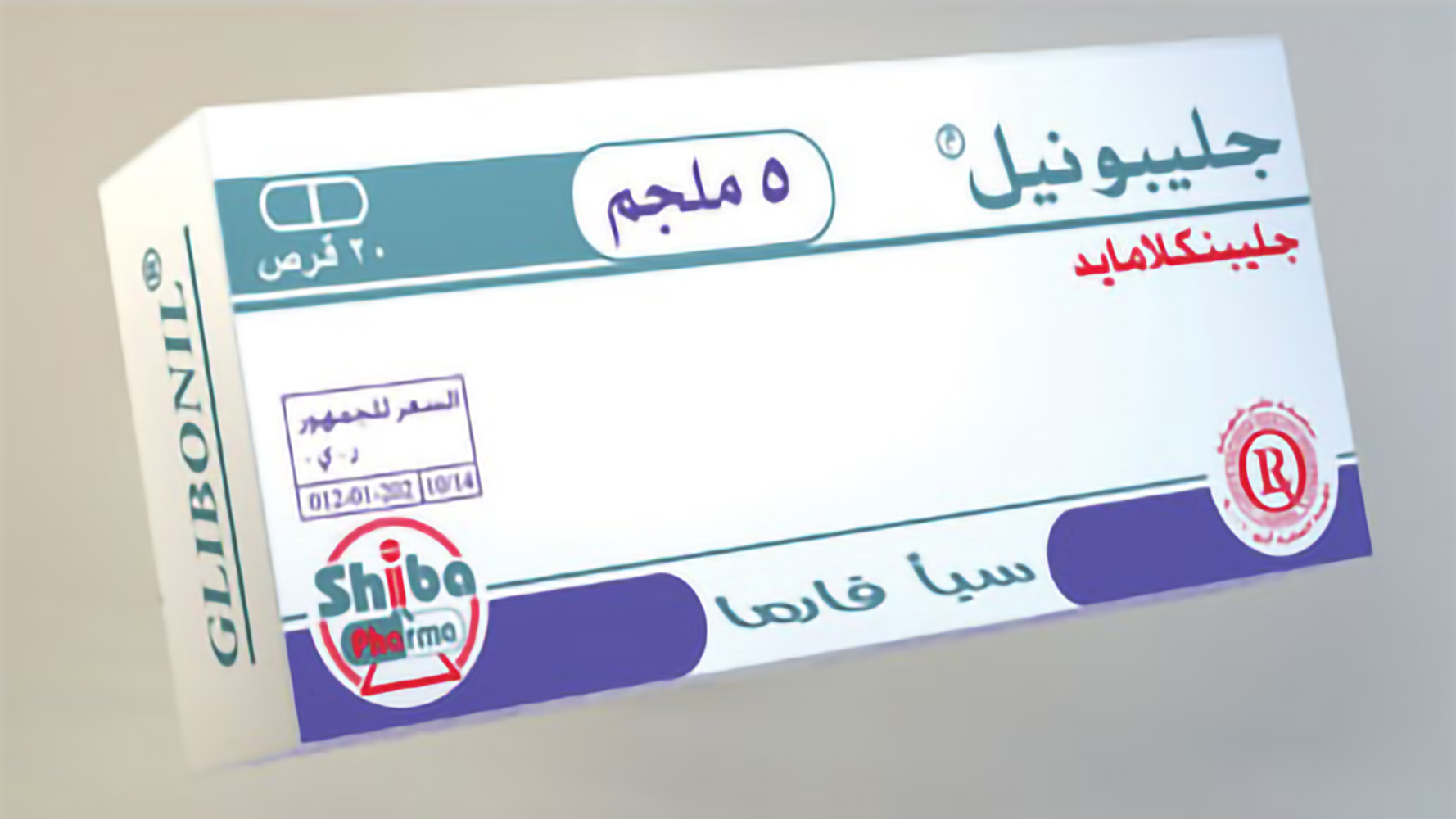
Glibonil
📌 COMPOSITION
Each tablet contains: Glibenclamide B.P. 2.5 mg, 5 mg.
📌 DESCRIPTION
Glibonil (Glibenclamide) is a sulphonylurea hypoglycaemic agent. Glibenclamide decreases blood glucose levels by stimulating insulin release from pancreatic beta cells and increasing insulin‑binding receptor density in peripheral tissues. Glibenclamide is rapidly absorbed, and the onset of action occurs within 3 hours with a duration of up to 15 hours, and it is strongly protein‑bound. The drug is extensively metabolised in the liver. The half‑life of Glibenclamide is 5-10 hours, and it is excreted via bile and urine.
📌 INDICATIONS
Glibenclamide is indicated for non‑insulin‑dependent diabetes (type 2 diabetes) in patients who respond inadequately to dietary measures alone.
📌 DOSAGE & ADMINISTRATION
- The dosage of Glibenclamide is governed by the desired blood glucose level.
- The usual total daily dosage is 2.5 mg to 15 mg, with a usual initial dose of 5 mg. Doses of 10 mg or less may be taken as a single dose immediately before breakfast. If the daily dose exceeds 10 mg, the remainder should be taken immediately before the evening meal.
- If the patient forgets to take a Glibonil tablet, he must take one tablet at the next meal.
📌 RESTRICTIONS ON USE
Contraindications
- Allergy to Glibenclamide or other sulfonylureas or sulphonamides or to any of the ingredients.
- Patients who have insulin‑dependent diabetes mellitus, patients who have diabetic ketoacidosis or diabetic coma.
- Patients who have severe liver or kidney disease.
- Juvenile diabetes and children.
- Patients with porphyria.
- Pregnancy and lactation.
Precautions
- Patients with galactose intolerance or glucose‑galactose malabsorption syndrome.
- Patients who have glucose‑6‑phosphate dehydrogenase deficiency, since Glibenclamide may cause haemolysis.
- To avoid hypoglycaemia side effects, the patient should be aware of the following: eat regular meals including breakfast, and the patient should not forget a meal and should eat enough.
- Hypoglycaemia is more likely to occur if the diet is unbalanced, after prolonged or intense exercise, or if the patient takes other blood sugar‑lowering medicines.
- Age, kidney or liver failure, and some adrenal or pituitary gland disorders can promote hypoglycaemia.
Effects on the capacity to drive vehicles or use machines
Glibenclamide may cause hypoglycaemia, which affects alertness.
Use in Pregnancy & Lactation
Glibenclamide must not be taken during pregnancy, and the patient must change over to insulin. It must also not be taken by breast‑feeding women.
📌 DRUG INTERACTIONS
- Administration of medicines that increase hypoglycaemia such as: miconazole, phenylbutazone, beta‑blockers (except esmolol), fluconazole, converting enzyme inhibitors, clarithromycin, erythromycin, alcohol.
- Administration of medicines that cause hyperglycaemia such as: danazol, chlorpromazine, glucocorticoids (except hydrocortisone), salbutamol, terbutaline — because these drugs reduce the efficacy of Glibenclamide.
- Administration of bosentan due to the risk of an increase in certain liver enzymes.
📌 ADVERSE EFFECTS
Hypoglycaemia, temporary vision disturbances, nausea, vomiting, diarrhoea, stomach discomfort, hives, itching, skin rash possibly leading to symptoms such as breathlessness and even shock, allergic vasculitis, abnormal laboratory values for liver and kidney tests and blood cells, jaundice, hepatitis, porphyria, feeling hot, redness.
📌 OVERDOSAGE
- Acute overdose of Glibenclamide may lead to severe, life‑threatening hypoglycaemia.
- Management of overdosage: The patient must immediately take sugar. In the case of unconsciousness, an intravenous injection of concentrated glucose solution is indicated (for adults, starting with 40 ml of 20% solution).
📌 STORAGE INSTRUCTIONS
Store below 30°C in a dry place.
📌 PHARMACEUTICAL FORMS
- Glibonil 2.5 Tablets: Pack of 20 tablets and hospital packs of different sizes.
- Glibonil 5 Tablets: Pack of 20 tablets and hospital packs of different sizes.